The Take
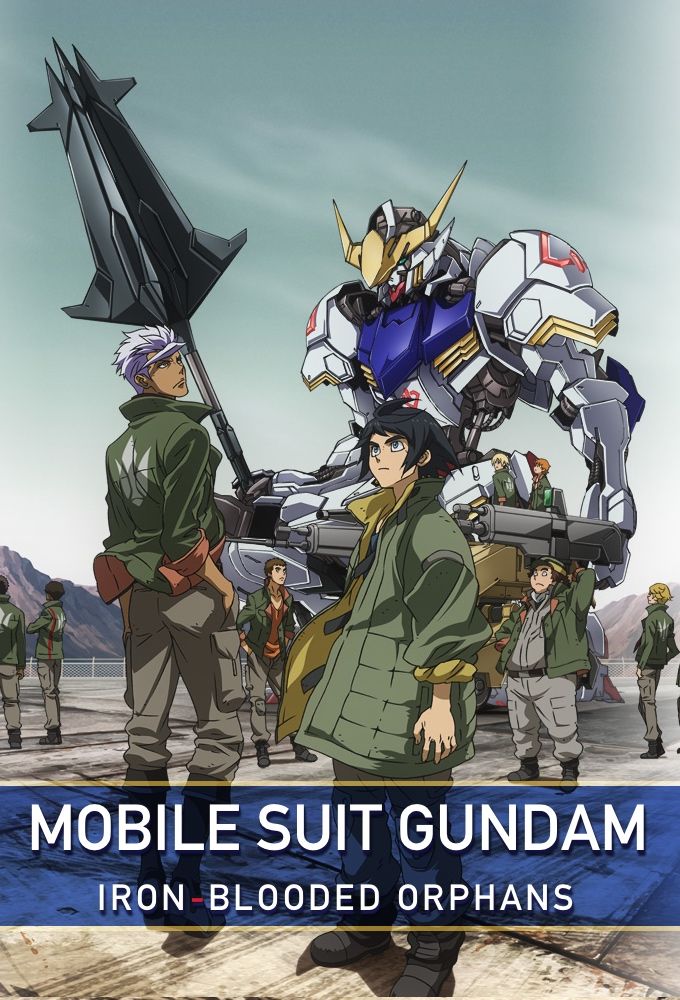
Gundam: Iron-Blooded Orphans shows war as raw horror through mecha muscle, with duty and sacrifice driving every choice over any spectacle. The child soldiers' suffering lands as the central indictment, backed by grounded politics that refuse easy villains or heroic flips.
The Verdict
Tekkadan's bonds and the brutal price of their fight give the series its weight, making the mecha feel like tools of survival rather than toys. Season 2 drags on side plots and leans on some plot armor, yet the core message on orphaned trauma and loyalty stays intact.
Watch it for the raw duty amid the grit.
Common Questions
Is Gundam: Iron-Blooded Orphans woke?
No. Story and character drive the politics without preaching inversion or identity lectures.
How many seasons of Gundam: Iron-Blooded Orphans are there?
Two seasons cover Tekkadan's rise, war, and fall without padding.
Does Gundam: Iron-Blooded Orphans romanticize war?
No. Every victory exacts clear human costs through child soldiers and loss.